
Flight Legends, developed by Wingo, has quickly captured the attention of gamers worldwide with its engaging gameplay and stunning graphics. This beginner’s guide aims to provide you with all the essential information you need to navigate the skies and enjoy this thrilling flight simulation game. Whether you are new to flight simulators or an experienced gamer, this guide will help you take off smoothly and avoid common pitfalls.
Getting Started
Installation and Setup
Before you can soar through the skies, you need to install the game. Flight Legends is available on multiple platforms, including PC, consoles, and mobile devices. Simply visit the respective store for your platform, download the game, and follow the installation instructions.
Once installed, launch the game. You will be greeted with the main menu, where you can select options such as “Single Player,” “Multiplayer,” and “Settings.” It’s advisable to go through the settings menu first to customize your controls, graphics, and audio settings according to your preferences.
Understanding the Basics
The User Interface
When you start your first flight, you will encounter the user interface (UI). Familiarizing yourself with the UI is crucial for effective gameplay. Key components include:
- Flight HUD (Heads-Up Display): Displays crucial flight data such as altitude, speed, heading, and fuel levels.
- Navigation Map: Shows your current location, waypoints, and flight path.
- Controls Panel: Allows you to access various controls, including throttle, flaps, and landing gear.
Choosing Your Aircraft
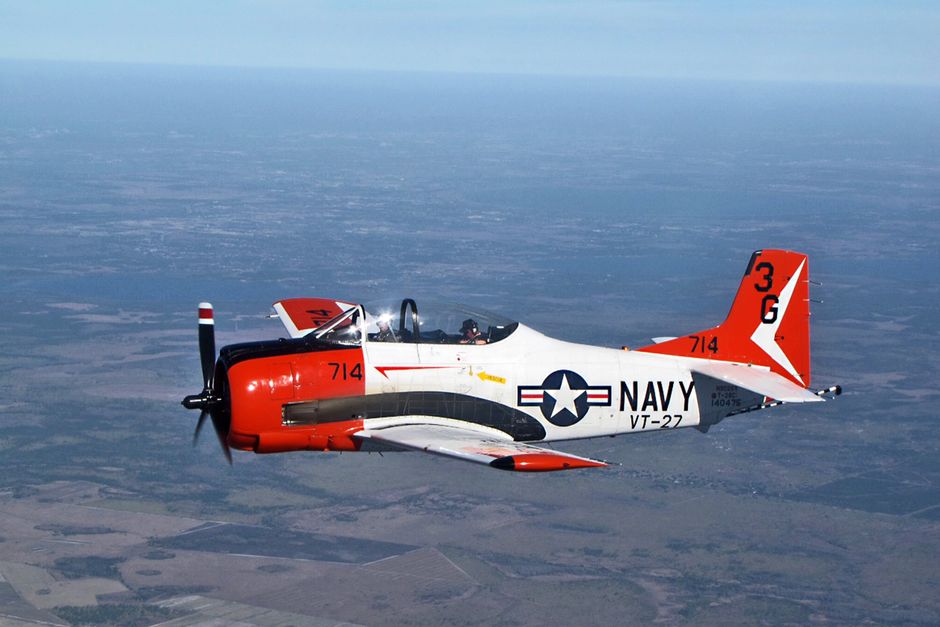
Flight Legends features a variety of aircraft, each with its unique characteristics. As a beginner, it’s advisable to start with a basic aircraft that is easy to control, such as a small single-engine plane. As you gain experience, you can unlock and try more advanced aircraft, including jets and military planes.
Basic Controls
Understanding the basic controls is essential for a smooth flight experience. Here’s a rundown of the primary controls:
- Throttle Control: Adjusts the engine power. Increasing throttle will make your aircraft go faster, while decreasing it will slow you down.
- Aileron Control: Controls the roll of the aircraft. Use the left and right controls to tilt your plane in the desired direction.
- Elevator Control: Adjusts the pitch of the aircraft. Pulling back will cause the plane to climb, while pushing forward will make it descend.
- Rudder Control: Helps with turning the aircraft and maintaining balance. This is particularly important during takeoff and landing.
Taking Off
Pre-Flight Checks
Before taking off, it’s essential to perform pre-flight checks. Ensure that your fuel levels are adequate, the flaps are set to the correct position, and all systems are operational.
Takeoff Procedure
- Line Up on the Runway: Use the navigation map to find the nearest runway and taxi your aircraft into position.
- Increase Throttle: Gradually increase the throttle to gain speed.
- Rotate: Once you reach the recommended takeoff speed, gently pull back on the elevator control to lift off.
- Climb: Maintain a steady climb while monitoring your altitude and speed.
In-Flight Navigation
Using the Navigation Map
The navigation map is your best friend during flight. It provides a visual representation of your route and helps you identify waypoints. Familiarize yourself with the symbols and markers on the map to navigate effectively.
Communicating with Air Traffic Control (ATC)
In Flight Legends, you’ll encounter ATC communications. Listening to ATC instructions is crucial for a safe flight. Pay attention to commands regarding altitude changes, approach vectors, and landing instructions.
Landing
Landing can be one of the most challenging aspects of flight, especially for beginners. Here’s a step-by-step guide to landing your aircraft:
- Approach: Begin your descent by reducing throttle and aligning your aircraft with the runway.
- Flaps: Extend the flaps to increase lift and slow down your aircraft.
- Final Approach: Maintain a steady descent angle. Use the elevator control to adjust your altitude.
- Touchdown: As you approach the runway, reduce throttle further and gently pull back on the elevator control to level out.
- Braking: Once you’ve touched down, apply the brakes to slow down and taxi off the runway.
Advanced Tips
Mastering Aerobatics
Once you are comfortable with basic flight, you can explore aerobatics. Flight Legends allows you to perform stunts like loops, rolls, and spins. Practice these maneuvers in a safe environment, away from other aircraft.
Multiplayer Experience
Flight Legends offers a multiplayer mode where you can fly with friends or other players. This mode enhances the gaming experience by allowing you to participate in races, challenges, and cooperative missions.
Customization
As you progress, you can customize your aircraft with different skins, decals, and performance upgrades. Personalizing your aircraft not only makes it unique but can also improve its capabilities.
Conclusion
Flight Legends is an exciting and immersive flight simulation game that offers players the chance to experience the thrill of flying. By following this beginner’s guide, you will be well-equipped to take off, navigate, and land with confidence. Remember, practice is key to mastering the skies, so don’t hesitate to spend time honing your skills. Whether you aspire to be a casual flyer or a seasoned pilot, Flight Legends provides endless opportunities for exploration and adventure. So strap in, take to the skies, and enjoy your flying experience in Flight Legends!